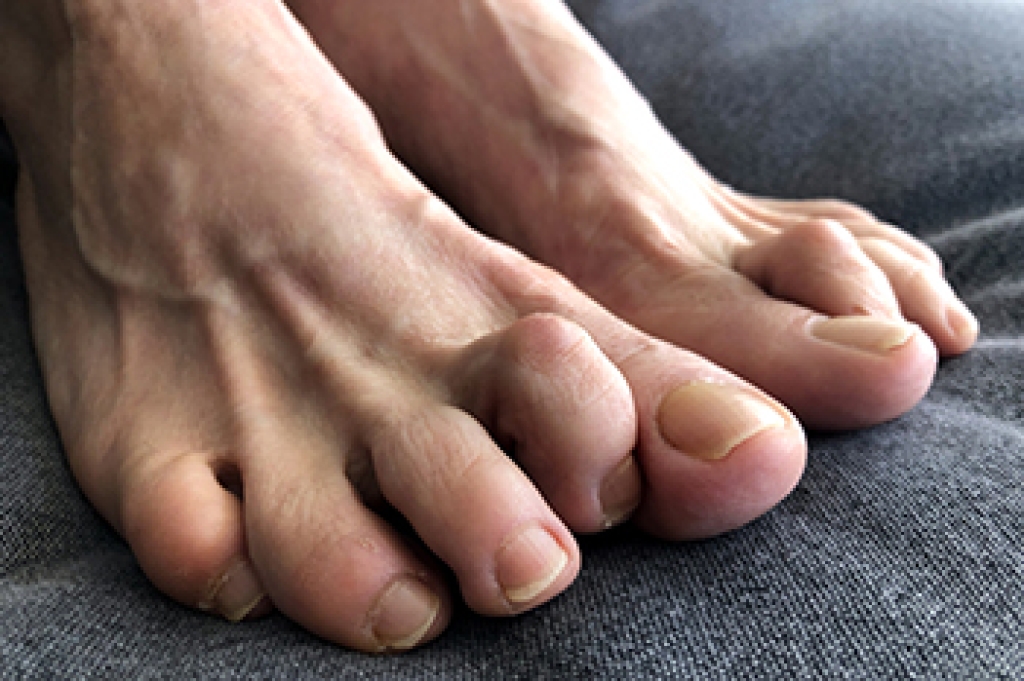
Types of Surgery for Hammertoes

Hammertoes, a deformity where the toe bends upward at the middle toe joint, can cause significant discomfort. When conservative treatments fail, surgery may provide lasting relief. Several surgical options are based on the flexibility of the affected joint, often in the second toe. Tendon transfer surgery is often used for a flexible hammertoe, where tendons are repositioned to straighten the toe and restore balance. For rigid hammertoes, surgery involves cutting tendons and ligaments, sometimes removing part of the bone, and stabilizing the toe with temporary pins. Fusion surgery may also be performed, which removes parts of the joint to allow bones to fuse together, resulting in a straighter, more stable toe. In severe cases, amputation may be considered, but this is rare and typically reserved for extreme pain when no other treatments work. A podiatrist can assess the type and severity of a hammertoe to determine the most appropriate surgical approach to relieve pain and restore foot function. If you are experiencing pain from a hammertoe, it is suggested that you schedule an appointment with a podiatrist for an exam and treatment options.

Hammertoe

Hammertoes can be a painful condition to live with. For more information, contact Robert Dunne, DPM from Lake Washington Foot and Ankle Center. Our doctor will answer any of your foot- and ankle-related questions.

Hammertoe is a foot deformity that affects the joints of the second, third, fourth, or fifth toes of your feet. It is a painful foot condition in which these toes curl and arch up, which can often lead to pain when wearing footwear.

Symptoms

  • Pain in the affected toes
  • Development of corns or calluses due to friction
  • Inflammation
  • Redness
  • Contracture of the toes

Causes

Genetics – People who are genetically predisposed to hammertoe are often more susceptible

Arthritis – Because arthritis affects the joints in your toes, further deformities stemming from arthritis can occur

Trauma – Direct trauma to the toes could potentially lead to hammertoe

Ill-fitting shoes – Undue pressure on the front of the toes from ill-fitting shoes can potentially lead to the development of hammertoe

Treatment

Orthotics – Custom made inserts can be used to help relieve pressure placed on the toes and therefore relieve some of the pain associated with it

Medications – Oral medications such as anti-inflammatories or NSAIDs could be used to treat the pain and inflammation hammertoes causes. Injections of corticosteroids are also sometimes used

Surgery – In more severe cases where the hammertoes have become more rigid, foot surgery is a potential option

If you have any questions, please feel free to contact our offices located in Melbourne and Palm Bay, FL . We offer the newest diagnostic and treatment technologies for all your foot care needs.

Read more about What Are Hammertoes?

Stop Your Toenail Fungus

Have you noticed discoloration of your toenails? Have they become thickened or brittle? If so, you may be experiencing symptoms of a fungal nail infection. For some, having a fungal nail can be embarrassing. Overcome your embarrassment, and get treated.

Possible Reasons Your Feet Hurt

Foot pain can stem from various issues affecting the feet, toes, or ankles. Bunions, for example, occur when the big toe presses against the second toe, forming a painful, bony bump near the joint. Ingrown toenails, where the nail grows into the surrounding skin, often cause redness, swelling, and discomfort. Achilles tendonitis results in inflammation from overuse of the strong tendon that connects the heel bone to the calf muscles. A rupture of the Achilles tendon can cause severe pain and difficulty walking. Fractures in the foot or ankle, whether small cracks called stress fractures or complete breaks, are often due to overuse, accidents or injuries. Other sources of foot pain are hammertoes, caused by an imbalance in muscles or ligaments that bend the toe abnormally, and Morton’s neuroma, a thickening of nerve tissue near the toes that causes pain and numbness. A podiatrist can accurately diagnose the cause of your foot pain and offer effective treatment to relieve discomfort. If you are experiencing foot pain, it is suggested that you schedule an appointment with a podiatrist.

Foot Pain

Foot pain can be extremely painful and debilitating. If you have a foot pain, consult with Robert Dunne, DPM from Lake Washington Foot and Ankle Center. Our doctor will assess your condition and provide you with quality foot and ankle treatment.

Causes

Foot pain is a very broad condition that could be caused by one or more ailments. The most common include:

  • Bunions
  • Hammertoes
  • Plantar Fasciitis
  • Bone Spurs
  • Corns
  • Tarsal Tunnel Syndrome
  • Ingrown Toenails
  • Arthritis (such as Gout, Rheumatoid, and Osteoarthritis)
  • Flat Feet
  • Injury (from stress fractures, broken toe, foot, ankle, Achilles tendon ruptures, and sprains)
  • And more

Diagnosis

To figure out the cause of foot pain, podiatrists utilize several different methods. This can range from simple visual inspections and sensation tests to X-rays and MRI scans. Prior medical history, family medical history, and any recent physical traumatic events will all be taken into consideration for a proper diagnosis.

Treatment

Treatment depends upon the cause of the foot pain. Whether it is resting, staying off the foot, or having surgery; podiatrists have a number of treatment options available for foot pain.

If you have any questions, please feel free to contact our offices located in Melbourne and Palm Bay, FL . We offer the newest diagnostic and treatment technologies for all your foot care needs.

Read more about Foot Pain

Decisions About Foot Surgery

Foot surgeries address various conditions, including bunions, hammertoes, plantar fasciitis, fractures, and flat feet. Common procedures include a bunionectomy to remove bunions, hammertoe correction to realign curled toes, and plantar fascia release for chronic heel pain. Other surgeries may involve repairing torn tendons or fusing joints to relieve arthritis pain. Deciding on foot surgery depends on the severity of the condition, pain levels, and how much it affects daily life. Surgery is usually considered when conservative treatments like orthotics, targeted stretching, or medication fail to provide relief. A podiatrist plays a vital role in this process, offering a thorough evaluation, imaging studies, and a tailored treatment plan. They can guide you through non-surgical options first and explain the risks, benefits, and recovery of surgery. If you are considering treatment options for a foot problem, including surgery, it is suggested that you obtain counsel from a podiatrist.

Foot surgery is sometimes necessary to treat a foot ailment. To learn more, contact Robert Dunne, DPM of Lake Washington Foot and Ankle Center. Our doctor will assist you with all of your foot and ankle needs.

When Is Surgery Necessary?

Foot and ankle surgery is generally reserved for cases in which less invasive, conservative procedures have failed to alleviate the problem. Some of the cases in which surgery may be necessary include:

  • Removing foot deformities like bunions and bone spurs
  • Severe arthritis that has caused bone issues
  • Cosmetic reconstruction

What Types of Surgery Are There?

The type of surgery you receive will depend on the nature of the problem you have. Some of the possible surgeries include:

  • Bunionectomy for painful bunions
  • Surgical fusion for realignment of bones
  • Neuropathy decompression surgery to treat nerve damage

Benefits of Surgery

Although surgery is usually a last resort, it can provide more complete pain relief compared to non-surgical methods and may allow you to finally resume full activity.

Surgical techniques have also become increasingly sophisticated. Techniques like endoscopic surgery allow for smaller incisions and faster recovery times.

If you have any questions, please feel free to contact our offices located in Melbourne and Palm Bay, FL . We offer the newest diagnostic and treatment technologies for all your foot care needs.

Read more about Foot Surgery

Blisters Between the Toes

Blisters between the toes are often caused by friction, moisture, or infections. They can be painful and make walking uncomfortable. Symptoms include redness, swelling, and fluid-filled pockets that may burst and cause irritation. Among the causes of blisters are allergies to certain shoes or materials, fungal infections like athlete's foot, or poorly fitting shoes that create friction. Fungal infections often occur in damp environments and may lead to itching, cracking, and peeling skin between the toes. Allergies to shoe materials or detergents can also trigger blisters. Tight shoes or socks that trap moisture can worsen friction, increasing the likelihood of blisters forming. Treatment depends on the underlying cause. For fungal infections, antifungal creams or powders can help, while wearng proper shoes and moisturizing can prevent friction-related blisters. A podiatrist can assess your condition and recommend the best treatment, whether it is antifungal therapy or advice on proper footwear. If you are struggling with blisters between your toes, it is suggested that you schedule an appointment with a podiatrist for professional care and advice.

Blisters are prone to making everyday activities extremely uncomfortable. If your feet are hurting, contact Robert Dunne, DPM of Lake Washington Foot and Ankle Center. Our doctor can provide the care you need to keep you pain-free and on your feet.

Foot Blisters

Foot blisters develop as a result of constantly wearing tight or ill-fitting footwear. This happens due to the constant rubbing from the shoe, which can often lead to pain.

What Are Foot Blisters?

A foot blister is a small fluid-filled pocket that forms on the upper-most layer of the skin. Blisters are filled with clear fluid and can lead to blood drainage or pus if the area becomes infected.

How Do Blisters Form?

Blisters on the feet are often the result of constant friction of skin and material, usually by shoe rubbing. Walking in sandals, boots, or shoes that don’t fit properly for long periods of time can result in a blister. Having consistent foot moisture and humidity can easily lead to blister formation.

Prevention & Treatment

It is important to properly care for the affected area in order to prevent infection and ease the pain. Do not lance the blister and use a Band-Aid to provide pain relief. Also, be sure to keep your feet dry and wear proper fitting shoes. If you see blood or pus in a blister, seek assistance from a podiatrist.

If you have any questions, please feel free to contact our offices located in Melbourne and Palm Bay, FL . We offer the newest diagnostic and treatment technologies for all your foot care needs.

Read more about Blisters on the Feet

Connect With Us

scroll to top