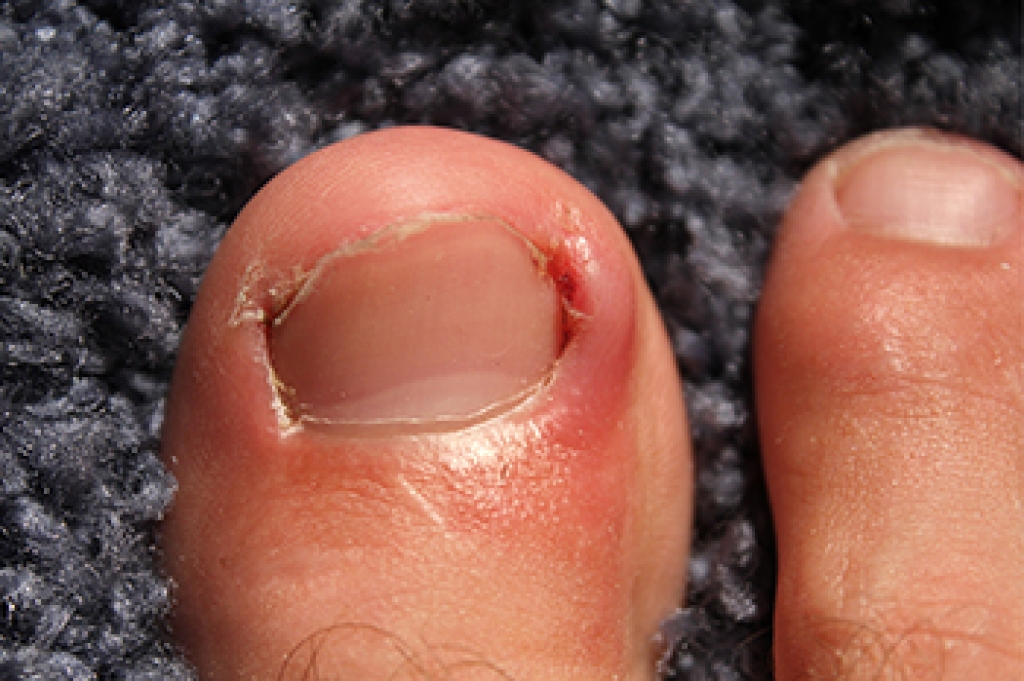
An ingrown toenail develops when the edge of a nail grows into the surrounding skin, causing irritation and discomfort. The big toe is affected most often, although other toes can develop this problem. Symptoms may include tenderness, redness, and swelling along the nail edge. In more advanced cases, drainage or infection can occur. Ingrown toenails are common among teenagers and young adults, particularly those who are involved in sports or who wear tight-fitting shoes. Recognizing the problem early can help prevent worsening pain and make treatment easier. Although mild cases may improve with careful home care, persistent symptoms deserve professional attention.
Several types of ingrown toenails can develop at different ages. A distal lateral ingrown toenail occurs when the side edge of the nail grows into the skin near the tip of the toe. This is a common pattern and may develop when nails are cut too short or rounded at the corners. Neonatal ingrown toenails affect newborns and may occur because of the natural shape of the nail or surrounding skin. Adult ingrown toenails often develop after years of improper nail trimming, pressure from footwear, or repeated toe injuries. Each type can cause tenderness, but the treatment approach depends on age and severity.
Common causes include cutting toenails too short, rounding the edges, and wearing shoes that squeeze the toes together. Some people inherit curved nails that are more likely to press into nearby skin. Repeated pressure from running or other sports may also contribute. Risk factors include heavy sweating, nail injuries, and difficulty trimming nails safely. Early symptoms may involve mild soreness and redness, while worsening cases can cause warmth, drainage, or increasing pain. People with diabetes or poor circulation should seek professional care promptly, because even a small wound can lead to complications. Avoid digging into the nail edge or attempting to cut out the painful section yourself.
A podiatrist examines the nail and surrounding skin to determine the severity and check for infection. Mild cases may improve with careful nail care and footwear changes. If the nail is deeply embedded or repeatedly ingrown, the podiatrist may numb the toe and remove the troublesome nail edge. In recurring cases, a procedure may be used to prevent that section from growing back. After treatment, follow wound-care instructions and keep the toe clean. If you have an ingrown toenail, it is suggested that you consult a podiatrist for effective treatment solutions, which may include minor surgery for removal.
Ingrown toenails can become painful if they are not treated properly. For more information about ingrown toenails, contact Robert Dunne, DPM of Lake Washington Foot and Ankle Center. Our doctor can provide the care you need to keep you pain-free and on your feet.
Ingrown Toenails
Ingrown toenails occur when a toenail grows sideways into the bed of the nail, causing pain, swelling, and possibly infection.
Causes
- Bacterial infections
- Improper nail cutting such as cutting it too short or not straight across
- Trauma to the toe, such as stubbing, which causes the nail to grow back irregularly
- Ill-fitting shoes that bunch the toes too close together
- Genetic predisposition
Prevention
Wearing proper fitting shoes and using proper cutting techniques will also help decrease your risk of developing ingrown toenails.
Treatment
Ingrown toenails are a very treatable foot condition. In minor cases, soaking the affected area in salt or antibacterial soaps will not only help with the ingrown nail itself, but also help prevent any infections from occurring. In more severe cases, surgery is an option. In either case, speaking to your podiatrist about this condition will help you get a better understanding of specific treatment options that are right for you.
If you have any questions, please feel free to contact our offices located in Melbourne and Palm Bay, FL . We offer the newest diagnostic and treatment technologies for all your foot care needs.
